INSIDE PRIVATE ADVISORY
Make One Story Fit the New Firm
Your two firms are now one, and clients still hear two different pitches depending on who walks into the meeting. Ivanka Menken uses the Unified Story Map inside Private Advisory, a 12-month engagement at AUD $5,000 per month ex GST, to turn a merged firm into one clear story and one sales process. You leave with a one-page map of the offer, the proof, the common words both teams use and the date you review it against real new-business conversations.
The Unified Story Map is a tool inside Private Advisory, not a separate product. Ivanka does not design brands or write campaigns.
ONE FIRM, TWO PITCHES
The logo changed. The pitch did not.
- TEAM Athe old firm’s offer and the old firm’s proofIts own words
- TEAM Ba different offer, different proof, same clientIts own words
- THE MAPoffer, proof, common words and a review date1 page
THE RULE
“A client should hear the same firm whichever team walks in. Write the story before you rewrite the brand.”
Your firm and story will be your own.
SOUND FAMILIAR?
One firm on paper, two firms in the meeting
- 01Each team describes the merged offer in its own words.
- 02Proposals still quote the old firms’ case studies.
- 03You paid for a new logo and the pitch stayed the same.
THE MERGED FIRM, AS IT STANDS
- Teams: two, now under one roof
- Offer: described two ways
- Proof: each team uses its own old cases
- New brand: in place
- Shared sales language: not written
A new logo over two old stories.
THE EXAMPLE CASE
The founder who rebranded before the story was one
01
THE MOMENT
A merged firm, a new logo and two old pitches
A prospect meets your firm twice in one week. The first adviser talks about planning and long relationships. The second talks about investment results and scale. Both are right, and both are yours. The prospect asks a simple question: which one are you? Nobody in the firm has a one-line answer both teams would sign.
02
WHAT THEY HAD TRIED
A new logo and a new website
In this case, a founder was leading an advisory firm formed from two smaller ones. The obvious fix was the brand: a new name treatment, a new logo and a refreshed website. It looked like one firm. In client conversations it still sounded like two, because each team kept the sales language, the examples and the proof it had always used.
03
WHAT IVANKA NOTICED
Different words, different proof
Ivanka noticed that each team described the merged offer with different words and backed it with different proof. Neither was wrong. But a prospect who met both teams heard two firms, and the founder had never asked the teams to agree on one sentence about what the new firm does, for whom, and what shows it works.
THE DIAGNOSIS
An ununified story, not a brand problem
The diagnosis was not brand design. It was an ununified story and a sales process that still ran on two sets of habits.
The reframe: a merger only reads as one firm when every team tells the same story with the same proof. Write the offer, choose the proof both teams will use, agree the common words, and test the page in real new-business conversations before you reset the sales process around it.
A client should hear the same firm whichever team walks in.
THE COST OF STAYING STUCK
Every month the firm tells two stories, prospects compare the teams instead of choosing the firm, and the merger’s main promise, one stronger firm, stays invisible in the meeting.
THE TOOL
The Unified Story Map, for a merged firm
The Unified Story Map takes two teams’ ways of selling and draws them into one page the whole firm uses. It is one of the big decisions Private Advisory works through, because after a merger the story decides how clients see everything else.
Tap a part. The team phrasing is an example; your teams write their own.
Unified Story Map · a framework by Ivanka Menken
What it is
It is a one-page map in four parts: the offer in one sentence, the proof both teams will use, the common words that replace each team’s private vocabulary, and the review point where the map is checked against real new-business conversations.
What it replaces
It replaces a new logo over old pitches, two sets of case studies in one proposal, and the hope that the teams will converge on their own.
It sits inside Private Advisory, next to the Builder Meeting Rhythm and the quarterly five-number read. Ivanka does not design the brand, write the website or run the campaign. The founder takes the map to the teams and to whoever writes the marketing.
THE MAP, FOR ONE MERGED FIRM
- 01The offer: what the new firm does, for whom, in one sentence
- 02The proof: the examples both teams agree to use
- 03The common words: the terms that replace each team’s own
- 04The sales process: one sequence for every new-business conversation
- 05The test: the map used in real conversations
- 06The review: what clients repeated back, and what changed
HOW IVANKA WORKED WITH THEM
Two pitches onto one page
In the session, Ivanka asked the founder to write how each team opens a new-business meeting, word for word, side by side. Where the words differed, she asked which version a client would repeat to a colleague. Together they wrote one offer sentence, picked the proof both teams would use and listed the common words. Before the next session, the founder tested the map in new-business conversations and noted what prospects said back.
THE UNIFIED STORY MAP, AS WRITTEN
- The offer
- One sentence both teams will say.
- The proof
- The examples the whole firm uses.
- Common words
- The terms that replace each team’s own.
- Review point
- After the first new-business conversations.
- Review
- After the first new-business meetings
Your offer and proof will be your own.
THE FOUR-STEP LOOP
- 1The one thingOne firm, described two ways.
- 2The numbersTwo teams, two sets of proof, one new logo.
- 3The storyWhy the new brand did not change the pitch.
- 4The commitmentOne map tested in real new-business meetings.
THE QUESTIONS
- How does each team describe the firm in its first minute?
- Which sentence would a client repeat to a colleague?
- Which proof will both teams use?
- Which words does each team need to drop?
- When will you check the map against real meetings?
Before the next session, the founder used the map in new-business conversations with both teams and brought back what prospects repeated, so the sales process could be reset around it.
WHAT CHANGED
One story in every meeting
Over the engagement, the founder has a unified story map, a sales process both teams run the same way and a review point to keep it honest. The quarterly five-number read shows whether the new-business numbers move with it.
BEFORE
- Two pitches for one firm.
- Each team’s own proof in proposals.
- A new logo over old language.
- No shared first sentence.
BY MONTH 6
- One story map the firm signs.
- One proof set in every proposal.
- Common words both teams use.
- A sales process reset around the map.
THE 12 MONTHS
- 12 sessions
- 22 sessions
- 3Clarity Day
- 42 sessions
- 52 sessions
- 62 sessions
- 7Clarity Day
- 82 sessions
- 92 sessions
- 102 sessions
- 11Clarity Day
- 122 sessions
The programme is the container: 12 months, 24 fortnightly 90-minute 1:1 sessions and three Clarity Days.
ILLUSTRATIVE RESULT
In this case, the founder wrote one story map, tested it in new-business conversations with both teams and reset the sales process around it. Prospects stopped asking which firm they were dealing with, and the teams began using the same proof in every proposal.
WHAT THIS MEANS FOR YOU
Agree the story before you sell the merger
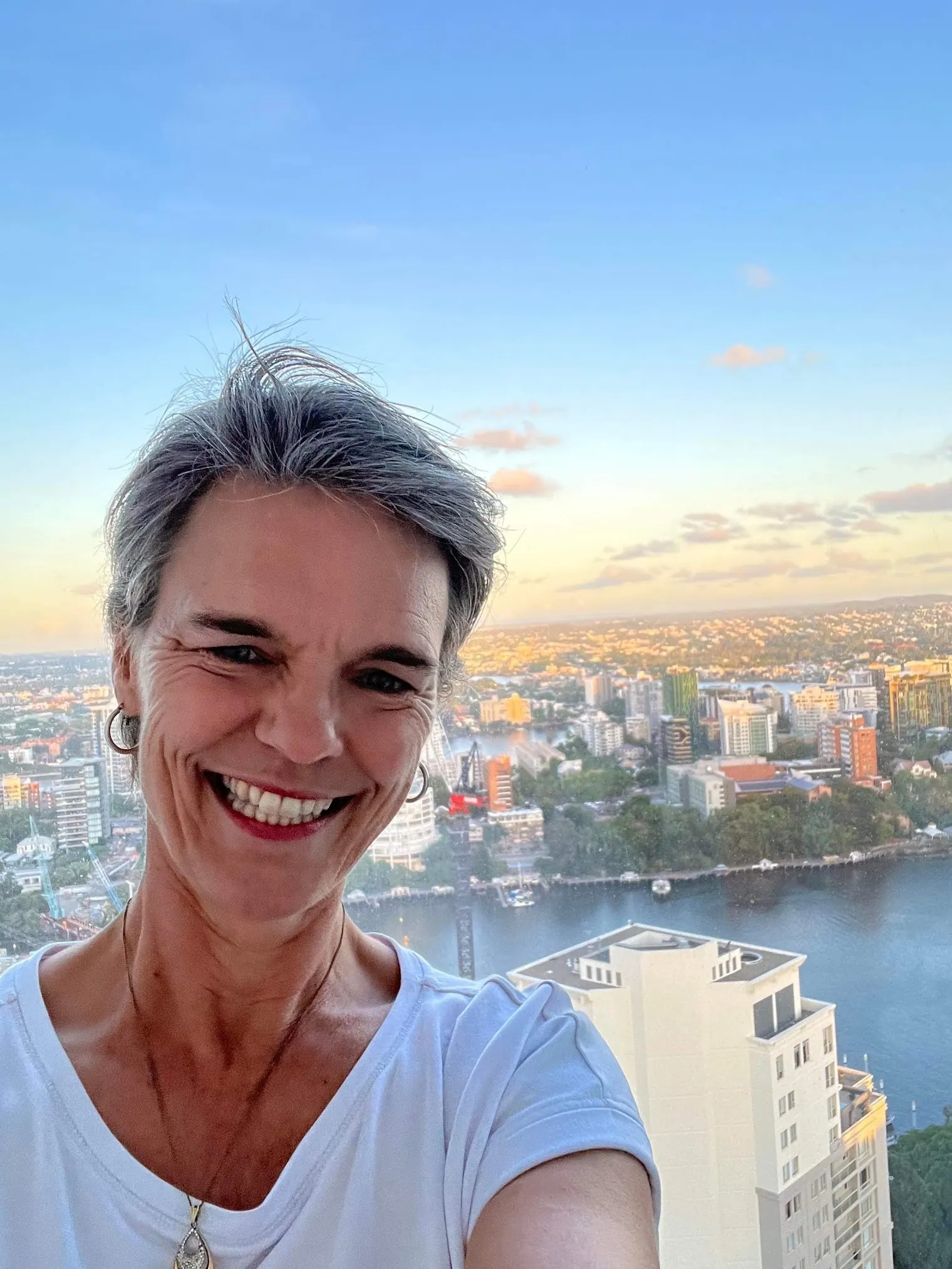
Ivanka Menken runs Private Advisory for founders of A$2M to A$10M businesses facing the decisions that shape the next five years. Bringing two firms together, and making clients see one, is one of the biggest of them.
This fits if you have merged, acquired or combined teams and clients still hear more than one story. It does not fit if you want a brand agency, a website or a marketing campaign. The decision in front of you is simple: write one story both teams will tell.
“Helps founders lead with clarity and integrity by modelling vulnerability, emotional intelligence, and grounded decision-making. Creates an environment where leaders can openly explore challenges and grow without fear of judgement.”
R.W., founder
WHO IT IS FOR
It fits
- You have merged with, or acquired, another firm.
- Your teams describe the offer in different words.
- You have refreshed the brand and the pitch did not change.
- You will test one story in real conversations.
It does not fit
- You want a brand agency or a new logo.
- You want a website or campaign written for you.
- Your teams already sell one story.
- You want a done-for-you sales process.
THE INVESTMENT
AUD $5,000
per month ex GST
12 months · 24 fortnightly 90-minute sessions · three Clarity Days
The Unified Story Map is part of Private Advisory, a 12-month engagement at AUD $5,000 per month ex GST, by application. It is not sold separately.
- 24 fortnightly 90-minute 1:1 sessions
- Three Clarity Days on the year’s biggest decisions
- The quarterly five-number read
- A unified story map for the merged firm
The Unified Story Map is part of Private Advisory. It is not sold separately.
FREQUENTLY ASKED
Questions about one story after a merger
Why does a new brand not fix a merged firm’s story?
Because clients meet people, not logos. If each team still opens with its own words and its own proof, a prospect hears two firms. Ivanka Menken works on the story first inside Private Advisory, 12 months at AUD $5,000 per month ex GST, so the brand has one clear message to carry.
What goes in a Unified Story Map?
Four parts on one page: the offer in one sentence, the proof both teams will use, the common words that replace each team’s own vocabulary, and a review point after real new-business conversations. Ivanka Menken builds the map with you inside Private Advisory, 12 months at AUD $5,000 per month ex GST.
Does Ivanka write our marketing?
No. Ivanka Menken does not design brands, write websites or run campaigns. Her work is the decision underneath: what the merged firm says, with which proof, in whose words. You take the map to your teams and to whoever writes the marketing. It is part of Private Advisory, 12 months at AUD $5,000 per month ex GST.
When should we write the map after a merger?
As early as you can, ideally before the teams build new habits on top of the old pitches. If the merger is already a year old, the map still works: test it in the next new-business conversations. Ivanka Menken works through it inside Private Advisory, 12 months at AUD $5,000 per month ex GST.
Write one story for the new firm
If two teams still pitch two firms, start with Private Advisory. The Unified Story Map is part of it, and the 20-minute intro call is where you can see whether it fits.
Not a brand agency, a website or a campaign.