INSIDE 1:1 MENTORING
Turn One Product Into a Catalogue
You have a $30 product that sells every week, a supplier pitching new tools every month, and a list of ideas longer than your cash. Ivanka Menken uses the Catalogue Ladder inside 1:1 Mentoring, a 6-month programme at AUD $1,500 per month ex GST, to put the next products in order: each one adjacent to the first, tested against the same buyer before the next rung. You leave with a written ladder and one test.
The Catalogue Ladder is a tool inside the programme, not a separate product.
AN EXAMPLE LADDER
One product, then the next rung.
- THE FIRST PRODUCTsells steadily, solves one narrow problem$30
- THE NEXT RUNGadjacent, same buyer, tested first1
- THE HORIZONproducts, added one rung at a time250
THE RULE
“Add the product the same buyer already needs next. Then test it.”
Your products and buyer will differ.
SOUND FAMILIAR?
A best seller and a long list of maybes
- 01You add products because a supplier pitched them.
- 02You cannot say exactly why the first product works.
- 03Every new idea feels urgent and none feels tested.
THE PRODUCT LIST, AS IT STANDS
- First product: $30, selling steadily
- Why it sells: not written down
- Next products: chosen by enthusiasm
- Buyer for each new product: not named
- Test before ordering stock: none
A catalogue growing without an order.
THE EXAMPLE CASE
One product that worked, and a list that did not
01
THE MOMENT
Another supplier pitch, another maybe
The $30 product sells every week. A supplier emails another range you could add. You have a dozen ideas in a notebook, a small team and enough cash for maybe two of them. Every option looks reasonable. You keep reopening the same decision, which product next, and each week you wait, another pitch makes the list longer.
02
WHAT THEY HAD TRIED
Add whatever the supplier pitched
The obvious fix was to grow the catalogue by saying yes. Each time a supplier pitched a product that looked close enough, the founder ordered stock and listed it. The catalogue got wider. Cash went into stock that sold slowly, the team spent hours listing items nobody had asked for, and the first product, the one paying for everything, got less attention.
03
WHAT IVANKA NOTICED
The first product solved one narrow problem
Ivanka noticed the first product had won because it solved one narrow problem for one kind of buyer. The new ideas were being chosen by enthusiasm, not by that buyer. Nobody had asked the obvious question: what does the person who bought the $30 product need next? The answer to that question was the next rung. Most of the list was not.
THE DIAGNOSIS
Sequence, not product count
The diagnosis was sequence, not product count. The founder did not need a wider catalogue yet. They needed a ladder from the first product, so each new item reached a buyer who already trusted the first one.
The reframe: the decision was never unclear. The cost of delay, and of scattered stock, had not been named. Once each idea was judged against the first buyer’s next need, most of the list could wait, and one adjacent product could be tested without betting the cash on it. A catalogue of more than 250 products is built the same way: one rung at a time.
A catalogue is a ladder, not a shelf.
THE COST OF STAYING STUCK
Every product added on enthusiasm ties up stock and team time, and pulls attention from the product that pays for everything.
THE TOOL
The Catalogue Ladder, from one product
The Catalogue Ladder starts from the product that already sells and asks what the same buyer needs next. Each rung is one adjacent product, tested against that buyer before stock is ordered. The rest of the list waits on a later page, so the catalogue grows in an order the cash can carry.
Tap a part. Your products and buyer will differ.
Catalogue Ladder · a framework by Ivanka Menken
What it is
It is one page with the first product at the bottom and why it sells written beside it, the next rungs in order with the buyer named for each, and the test for the next rung. At the top, the horizon: the catalogue the ladder is heading toward.
What it replaces
It replaces a product list ordered by whichever supplier called last, stock bought on enthusiasm, and the same decision about the next product reopened every week.
It sits inside 1:1 Mentoring, next to the Fortnight Loop and the monthly scorecard. Each rung becomes a fortnightly commitment and its test is read at the next session. It is coaching, not a sourcing service, and there is no separate checkout.
THE LADDER, AS WRITTEN
- 01The first product: $30, and why it sells, in one line
- 02The buyer: who bought it, named in plain words
- 03The next rung: one adjacent product for that buyer
- 04The test: a small order or pre-sale before full stock
- 05The later list: every other idea, parked with a date
- 06The horizon: the catalogue the ladder is heading toward
HOW IVANKA WORKED WITH THEM
One decision memo, one rung
In the session, Ivanka named the decision: which product comes next. She listed the options, counted the cost of waiting and of scattered stock, and asked for the smallest reversible step. The founder wrote a one-page decision memo: the first product and why it sells, the next rung for the same buyer, and a small test before any full order. They left with one decision, one next action and a date to read the test.
THE DECISION MEMO, AS WRITTEN
- First product
- $30, solves one narrow problem for one buyer.
- Next rung
- One adjacent product the same buyer asks for.
- The test
- A small order offered to existing buyers first.
- The later list
- Every other idea, parked until the test is read.
- Review
- At the next fortnight
Your products and buyer will differ.
THE FOUR-STEP LOOP
- 1The one thingWhich product comes next.
- 2The numbersThe first product, its buyer and the cash for one test.
- 3The storyWhy every supplier pitch felt like an opportunity.
- 4The commitmentOne adjacent product, tested before stock.
THE QUESTIONS
- Why does the first product sell?
- Who exactly buys it?
- What does that buyer need next?
- What is the smallest test before you order stock?
- Which ideas go on the later list?
Before the next session, the founder ran the small test on the next rung with existing buyers and moved every other idea to the later list with a review date.
WHAT CHANGED
A ladder, tested one rung at a time
By month 6, the catalogue has an order: a written ladder, one rung tested, and a repeatable way to decide the next product.
BEFORE
- New products came from supplier pitches.
- Nobody had written why the first product sold.
- Stock went into slow sellers.
- The same decision reopened every week.
BY MONTH 6
- A written ladder from the first product.
- The buyer named for every rung.
- One adjacent product tested before full stock.
- A repeatable process for the next product decision.
THE 12 FORTNIGHTS
- 1Call
- 2Call
- 3Call
- 4Call
- 5Call
- 6Month 3
- 7Call
- 8Call
- 9Call
- 10Call
- 11Call
- 12Month 6
The programme is the container: 12 fortnightly 60-minute sessions, a monthly scorecard, and reviews at month 3 and month 6.
ILLUSTRATIVE RESULT
In this case, the founder wrote a product ladder, tested one adjacent item against the same buyer and kept the rest on a later list. The catalogue started growing in an order the cash could carry.
WHAT THIS MEANS FOR YOU
Name the next rung before the next pitch
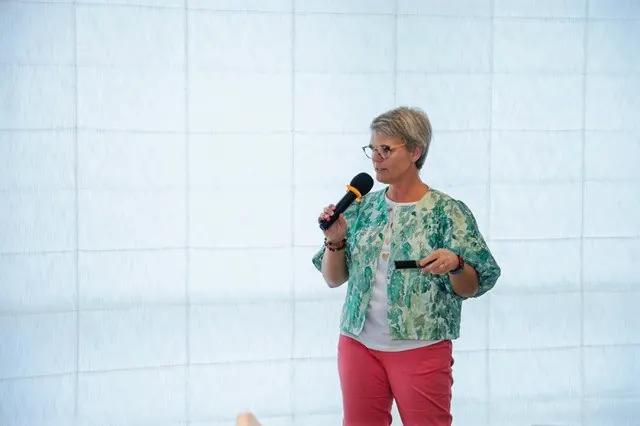
Ivanka Menken built 1:1 Mentoring for founders of $500K to $3M businesses who keep carrying the same decisions. Every fortnight she helps you name one decision, write the commitment and check it two weeks later.
This fits if you have one product that sells and a list of ideas that keeps growing. It does not fit if you want someone to source products for you. The decision in front of you is one rung. Write down why the first product sells before you add the next one.
“During our sessions Ivanka isn’t just talking theory. She is sharing her own lived experiences.”
Business owner
WHO IT IS FOR
It fits
- You have one product that sells steadily.
- Suppliers and ideas keep widening the list.
- You want to grow the range without betting the cash.
- You will test one rung before ordering stock.
It does not fit
- You want a done-for-you sourcing service.
- You want accounting or financial advice.
- You want to launch many products at once.
- You have no product selling yet.
THE INVESTMENT
AUD $1,500
per month ex GST
6 months · 12 fortnightly sessions
The Catalogue Ladder is part of 1:1 Mentoring, a 6-month programme at AUD $1,500 per month ex GST. It is not sold separately.
- 12 fortnightly 60-minute sessions
- A monthly one-page scorecard
- Reviews at month 3 and month 6
- The Catalogue Ladder for each product decision
Three founding places in total, shared across 1:1 Mentoring and its three focus programmes, are available at A$1,000 a month, in return for honest monthly feedback and a testimonial, which can be anonymous. Claim a founding place.
The Catalogue Ladder is part of the programme. It is not sold separately.
FREQUENTLY ASKED
Questions about growing a catalogue
Which product do I start with?
Start from the product that already sells, and the buyer who buys it. The next rung is the adjacent product that same buyer needs next, not the one a supplier pitched last. Ivanka Menken helps you name it inside 1:1 Mentoring, 6 months at AUD $1,500 per month ex GST, and you write down why the first product sells before choosing.
What if I choose the wrong rung?
Then the test tells you before the stock does. Each rung starts with a small order or a pre-sale to existing buyers, so a wrong choice costs little and teaches a lot. Ivanka Menken reads the result with you inside 1:1 Mentoring, 6 months at AUD $1,500 per month ex GST, and the next rung is chosen with that evidence.
How do I keep it reversible?
Test before you commit. Offer the next product to the buyers you already have, in a small quantity, with a date to read the answer. Everything else stays on the later list. Ivanka Menken sets the test and the review date with you inside 1:1 Mentoring, 6 months at AUD $1,500 per month ex GST, so no single rung can sink the cash.
What happens next?
If the rung works, it joins the ladder and the next adjacent product is named. If it does not, it moves to the later list and you test a different rung. Ivanka Menken reviews each rung with you at the next session of 1:1 Mentoring, 6 months at AUD $1,500 per month ex GST, so the catalogue grows in order.
Climb one rung before you widen the shelf
If one product sells and the list of maybes keeps growing, start with 1:1 Mentoring. The Catalogue Ladder is inside it, and the 20-minute intro call is where you can see whether the programme fits.
Not accounting, a sourcing service or a done-for-you fix.